
Relocating while receiving housing assistance requires careful planning. A Section 8 voucher provides stability, but many families hesitate to move because they are unsure whether their assistance can transfer to another city or state. Questions about portability rules, approval timelines, and documentation often create confusion.
Questions like “Can Section 8 be transferred to another state?”, “Is Section 8 state or federal?”, or “How long does a Section 8 portability transfer take?” are common among voucher holders planning a relocation.
The good news is that Section 8 vouchers can often be transferred through a process known as portability. However, approval depends on meeting specific eligibility requirements and following proper procedures. This guide explains what you need to know before transferring Section 8, submitting a Section 8 request to move, and how to complete the transfer smoothly.
1. Understand What Section 8 Portability Means
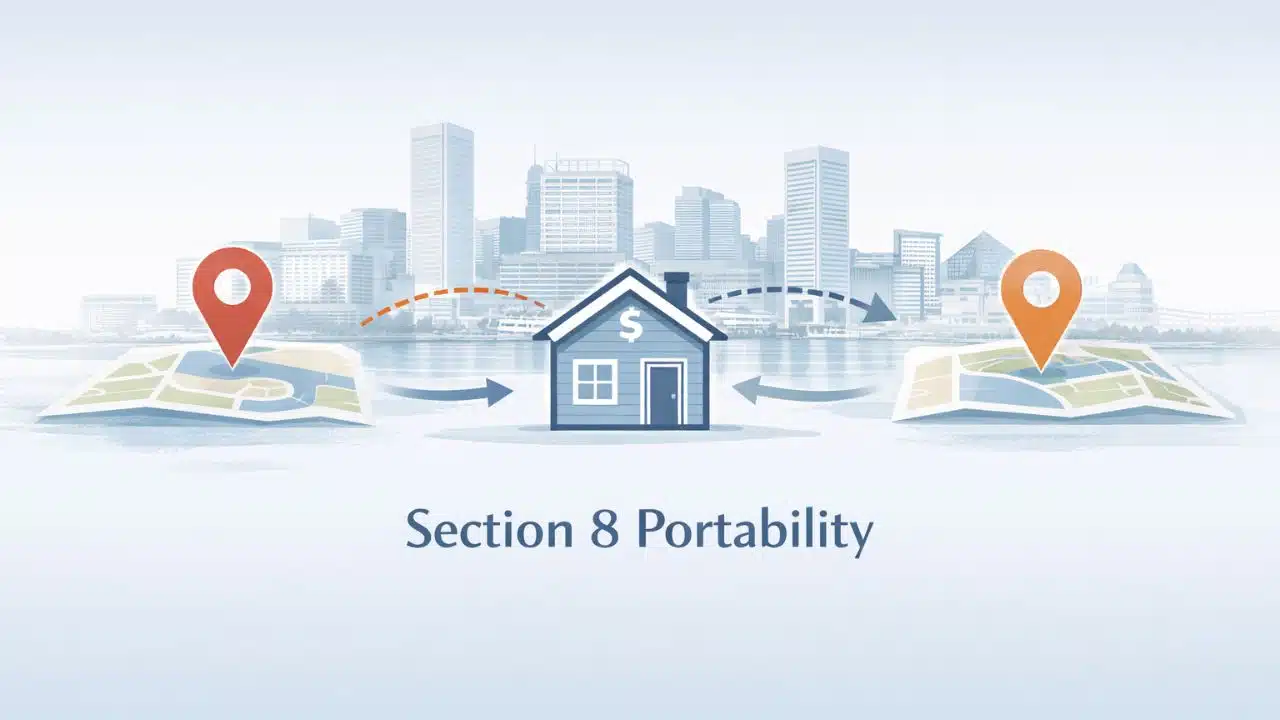
Section 8 portability allows a voucher holder to move from one Public Housing Authority (PHA) jurisdiction to another while continuing to receive assistance. This includes moving to a different city or even another state.
Portability applies only to tenant-based vouchers. If your assistance is tied to a specific project-based unit, it generally cannot be transferred.
When using portability:
- Your current PHA must approve the move
- The receiving PHA must accept your transfer
- Local payment standards may differ
- Processing timelines can vary
Understanding these basics helps you avoid unexpected complications during relocation.
2. Confirm You Meet Eligibility Requirements
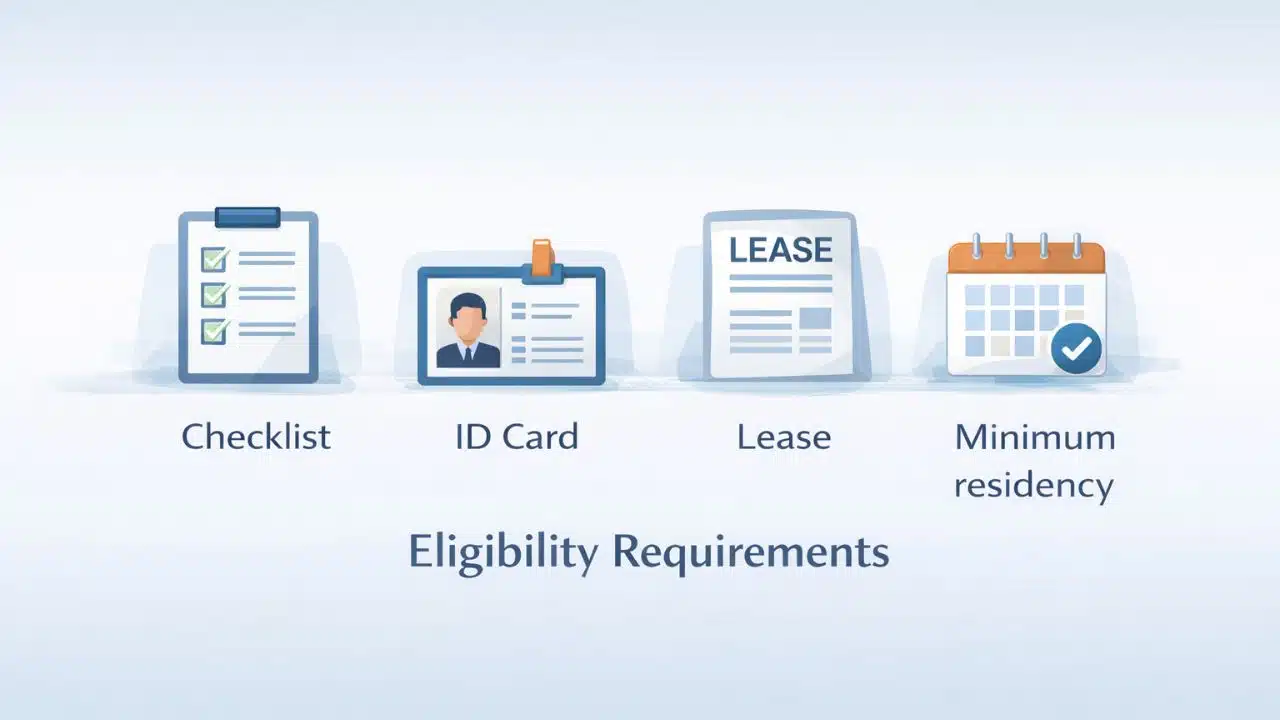
Before asking, “Can I transfer my Section 8 to another state?” you should confirm your eligibility.
Most housing authorities require voucher holders to:
- Be in good standing with no lease violations
- Owe no outstanding balances to the housing authority
- Complete a minimum residency requirement (often 12 months)
- Provide proper written notice to their landlord
If any of these conditions are not met, your portability request may be delayed or denied. Speaking directly with your housing authority before making relocation plans is essential.
3. Know the Step-by-Step Transfer Process
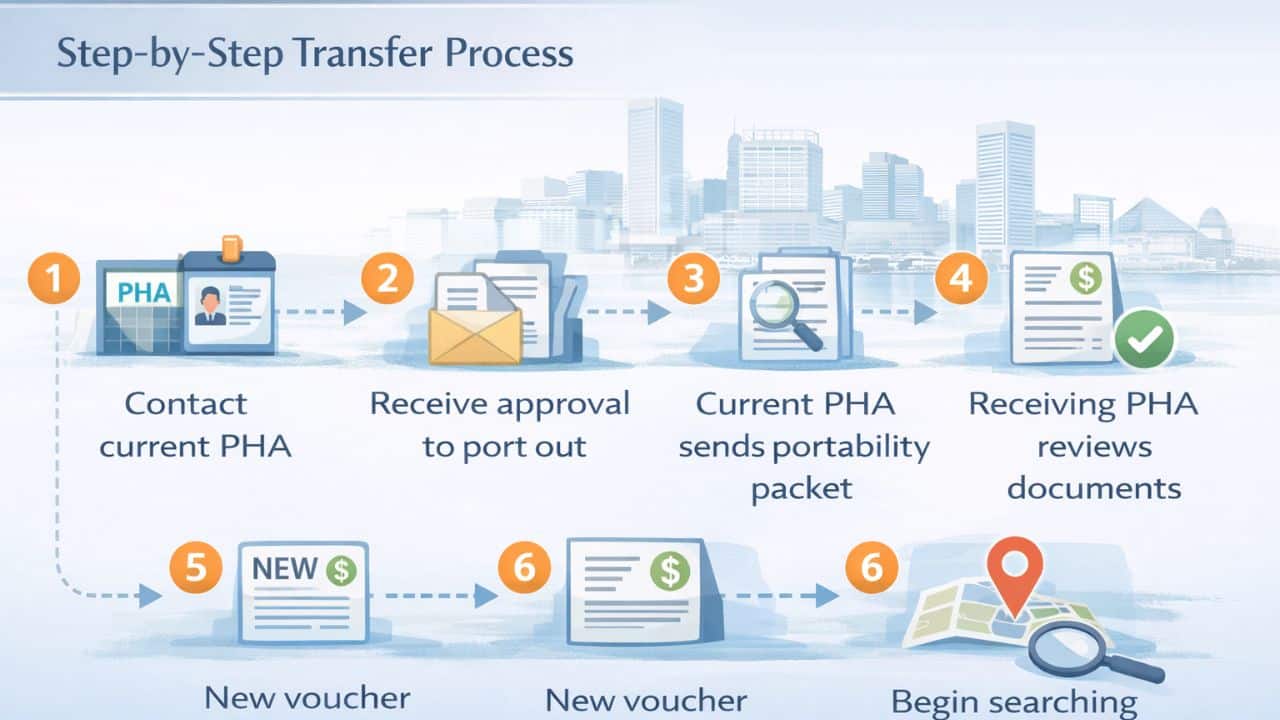
Many families ask, “How do I transfer Section 8 to another state?” The process follows a structured procedure coordinated between two housing authorities.
The typical steps include:
- Contact your current PHA and submit a Section 8 request to move
- Confirm eligibility and receive approval to port out
- Your current PHA sends a portability packet to the receiving PHA
- The receiving PHA reviews your documents
- A new voucher is issued under local standards
- You begin searching for housing in the new location
Once your voucher is transferred, finding landlords who accept vouchers is the next step. You can learn more in our guide on how to find landlords who accept Section 8 vouchers in Baltimore.
4. Understand That Rules May Change in the New State
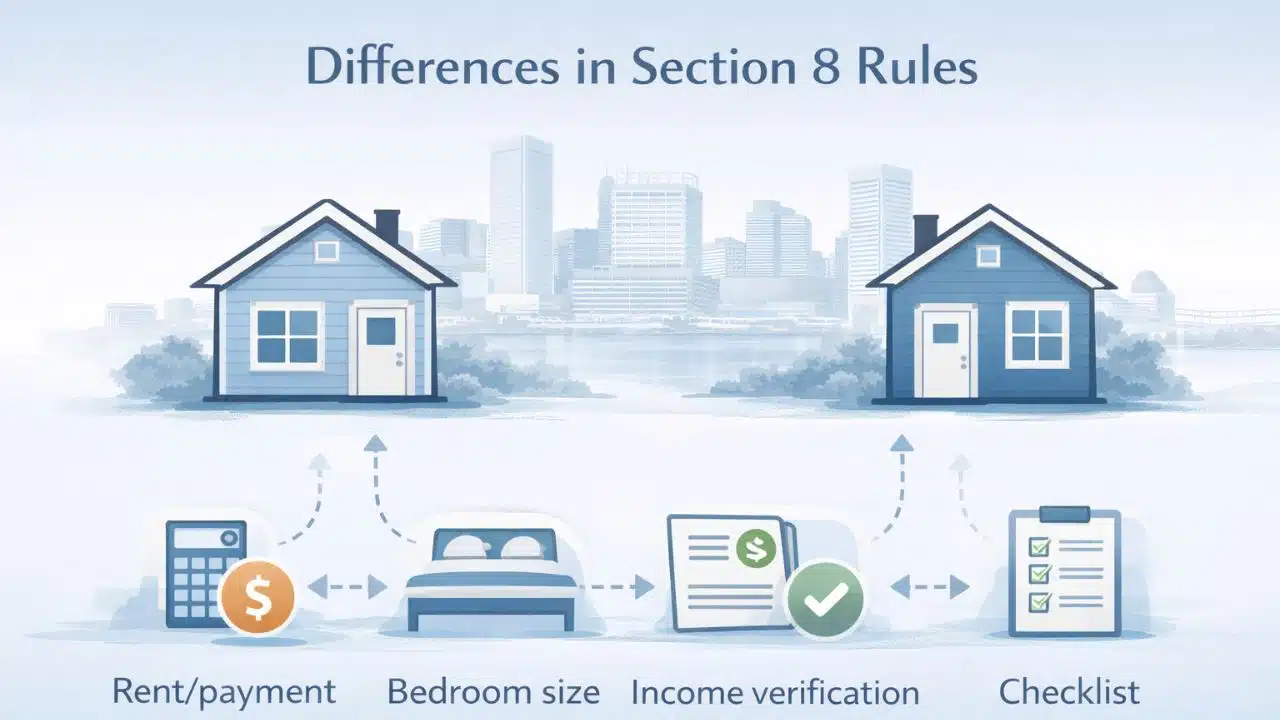
Yes, Section 8 can be transferred to another state. However, each housing authority operates independently.
This means the receiving PHA may:
- Apply different rent payment standards
- Adjust bedroom size eligibility
- Require updated income verification
- Use different inspection procedures
For example, if you move to a higher-cost area, rent limits may not match your expectations. Researching rental pricing in advance helps prevent surprises.
5. Prepare Required Documents Early
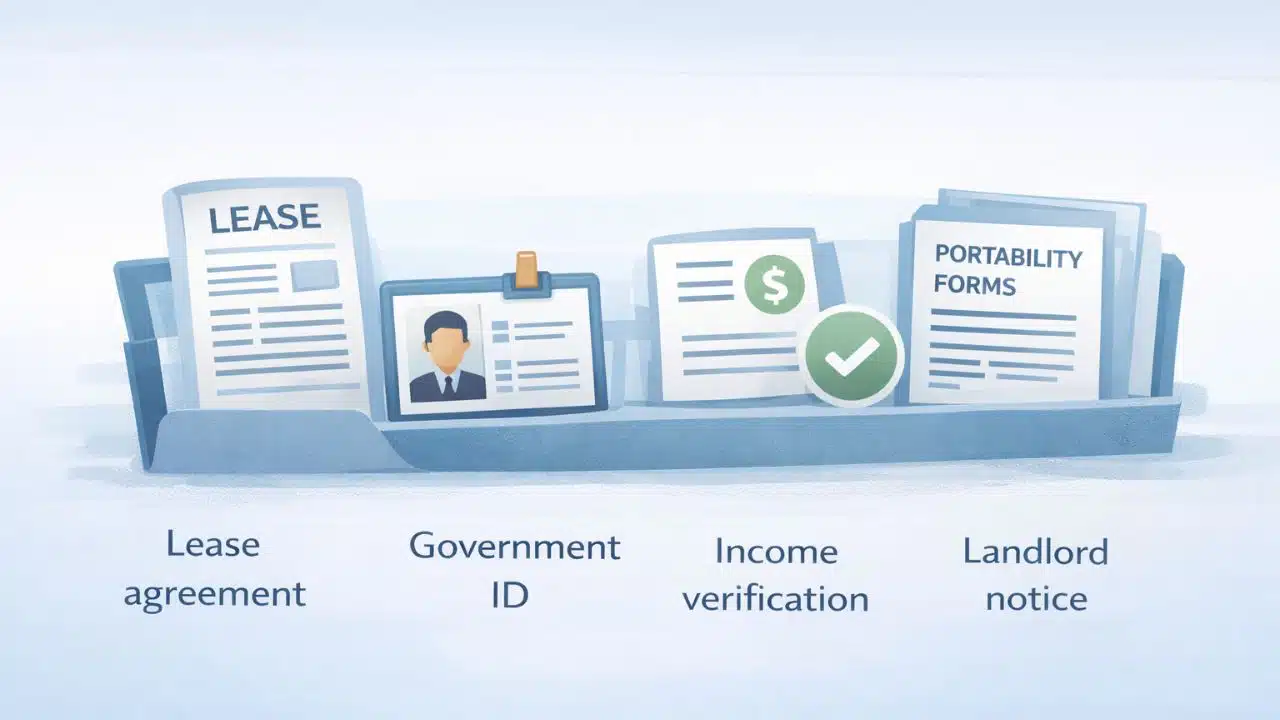
Proper documentation speeds up approval. Many portability delays happen because required paperwork is missing.
Before submitting your transfer request, gather:
- Your current lease agreement
- Government-issued identification
- Income verification documents
- Written notice to your landlord
- Any required portability forms
Keeping copies of everything ensures smoother communication between housing authorities . Avoiding documentation mistakes is critical during portability. Reviewing common Section 8 application errors can help prevent unnecessary delays.
6. Section 8 Moving Before Lease Is Up
Another common concern is Section 8 moving before the lease is up.In most cases, housing authorities require tenants to complete their lease term before approving portability. However, exceptions may be made for circumstances such as:
- Job relocation
- Safety concerns
- Domestic violence protections
- Medical needs
Always discuss your situation with your housing authority before making relocation plans.
7. Plan Your Relocation Carefully to Avoid Disruption
Relocating with a voucher requires timing and coordination. To reduce risk, consider the following:
- Start the process early
- Maintain regular communication with both PHAs
- Research rental markets before moving
- Confirm your new payment standard before signing a lease
- Keep all documentation organized
Relocation often occurs because of job changes or family needs.Planning both housing and career transitions together creates greater long-term stability. It is also important to understand how to avoid Section 8 housing scams when searching for a new rental.
Why Understanding Portability Rules Matters
Section 8 portability rules are designed to protect both tenants and housing authorities. However, failing to follow procedures correctly can result in delays or loss of assistance. Clear communication, proper notice, and compliance with lease terms protect your eligibility. Housing authorities require structured documentation because the Section 8 Housing Choice Voucher Program is federally funded and must follow strict guidelines.
How The Mt. Washington Group Can Help
Relocating to Baltimore with a Section 8 voucher requires understanding local rental standards and available housing options. Having access to experienced property management can make the transition more stable and organized.
The Mt. Washington Group provides professionally managed residential rental properties across Baltimore City and Baltimore County.
Families relocating with a Section 8 housing choice voucher benefit from working with property management that prioritizes clear communication, consistent maintenance standards, and stable long-term housing options.
For families or professionals relocating to the area, reliable property management and quality spaces can help simplify the moving process and provide long-term stability.
Final Thoughts
Relocating with Section 8 voucher requires coordination, preparation, and a clear understanding of portability transferring Section 8 to another state rules. When handled properly, transferring your Section 8 voucher allows families to move closer to employment, schools, and support systems without losing housing assistance.
For those relocating to Baltimore, focusing on stable, professionally managed residential housing can make the transition smoother and more secure. Careful planning and the right housing choice help ensure long-term stability for you and your family.
Frequently Asked Questions About Section 8 Portability
1. Is Section 8 state or federal?
Section 8 is a federal housing assistance program funded by HUD but administered locally by Public Housing Authorities.
2. How long does a Section 8 portability transfer take?
Most transfers take 30–60 days, depending on the housing authorities involved and how quickly documentation is processed.
3. How do I submit a Section 8 voucher application?
Applications are typically submitted through local Public Housing Authorities when their waitlists are open.
4. Can I apply for Section 8 in a different state?
Yes, you can apply for Section 8 in a different state, but this means joining that state’s waitlist instead of transferring your existing voucher.
5. Can I apply for Section 8 in a different state?
Yes, you can apply for Section 8 in a different state, but this means joining that state’s waitlist instead of transferring your existing voucher.
6. How do I submit a Section 8 request to move?
You must contact your current Public Housing Authority and submit a formal request to move. Approval is required before relocating.